Planning
Managing Your Columbia Valley Build When You Live Elsewhere
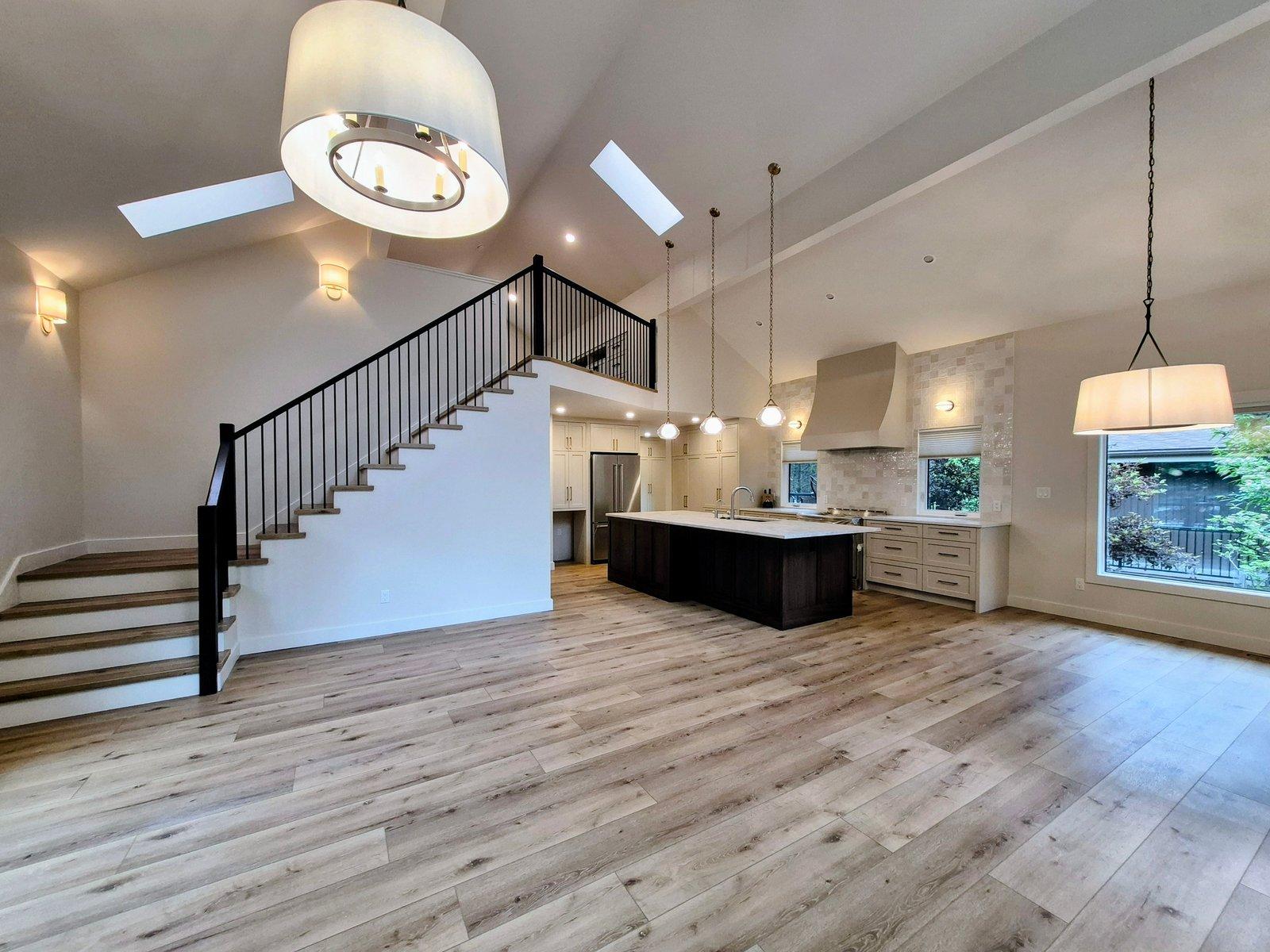
Building or renovating a home in the Columbia Valley does not mean you have to live here throughout construction. Many Alpine View clients are based in Calgary, elsewhere in Alberta or the Lower Mainland. The practical question is how you stay involved when you cannot stop by the site: who will answer your questions, how will decisions be recorded, and what will you see between visits? Here is how we approach that work.
Start with a conversation, wherever you are
Your first call, plan review and initial estimate can be handled by phone, email or video. Bring whatever you have so far: lot details, a survey, design ideas, a rough budget and a preferred timeline. You may already have drawings, or you may be deciding whether to renovate an existing cabin, build an addition or start again.
If you are still looking for a lot or planning for a future year, say so. You do not need a fixed start date to make contact. Once we have established that the project is a fit, we recommend a site visit together. Looking at the property helps turn an early conversation into a clearer understanding of the site and scope.
One main contact from first call to handover
Mike, the owner of Alpine View Construction, is your single point of contact throughout the project. That gives you someone who knows the history of the job when a question comes up, whether it concerns the overall plan, a detail on site or a decision that needs your input.
Communication works best when it goes both ways. We use phone calls and emails to work through questions, and clients need to make decisions in time for the relevant work. Tell us about periods when you will be unavailable, and raise questions while options can still be discussed. Clear decisions are especially valuable when travel makes an in-person conversation difficult.
See progress and plan worthwhile visits
We send photo updates every one to two weeks so you can follow the work without being on site every day. Pictures make progress easier to understand and give us a useful starting point for conversations about the next stage. They also help owners connect the work in progress with the drawings and choices they have made.
We recommend visiting at each inspection stage and share dates as early as possible so you can plan travel. The right visit depends on what is happening on your project. Agree the purpose and timing with Mike before booking a trip. Construction dates can move, and a visit is more useful when it lines up with the work or decision you want to see.
Know how changes and payments are handled
The progress draw schedule is set out clearly in the contract before construction begins. That lets you understand the planned payment stages rather than trying to piece them together during the build. Read the scope and draw schedule together, and ask about anything you want clarified before work starts.
Every change is documented in a change order with a set fee and requires your signature. No extra work proceeds without that approval. This is particularly important on a renovation, where opening walls or removing a floor can reveal conditions that were not visible earlier. It is also how we handle changes you choose as the project develops. Discussing a possible change is a starting point; the signed change order records what has been agreed.
Permits, inspections and the realities of the valley
We manage RDEK permits and inspections where the regional district is the relevant authority, and report inspection results back to you. Alpine View is a licensed BC Residential Builder, with warranty coverage provided on new builds. The approvals and inspection requirements for your property need to be understood as part of planning the work.
Winter weather, trade availability and permit timing all matter in the Columbia Valley. They need to be considered in a realistic project plan, rather than treated as an afterthought. During winter work, we keep work areas safe and clear and tarp or secure exposed areas. We discuss the circumstances of your project instead of promising a single timeline that applies to every home.
What happens to the site when you are away?
We fence the site, lock the house and material storage, and carry out regular site checks. These are practical measures for an active construction site, especially when owners are not nearby. If you want to visit, coordinate with Mike first so the visit can be arranged around the work taking place.
A renovation example: Timber Ridge
The Timber Ridge owners had enjoyed the community since buying their cabin in 2007, but spent years thinking about how to make the home suit them. They were concerned about timing, remote communication and budget changes. The renovation involved replacing a heaving slab, adding in-floor heat and relocating the loft stair, with structural changes to open the kitchen.
Group texts, emails and calls kept the conversation moving. The owners particularly valued being able to reach the team and get timely answers. Their case study includes before-and-after photos, the building challenges and their own account of the experience. It illustrates the communication approach, rather than promising that every project will follow the same course.
Handover, even if you cannot be here
At completion, we work through the walk-through, deficiency list and relevant warranty documents. If you cannot be in the valley, we can arrange the handover remotely. Talk through those arrangements ahead of time so you understand how to review the work, raise outstanding items and receive the documents for your home.
Ready for an initial conversation?
Tell us what you are considering in Fairmont Hot Springs, Invermere, Windermere, Radium Hot Springs, Panorama or elsewhere in the Columbia Valley. Use “Planning ahead” on the enquiry form if you are exploring options. Share your lot status, rough budget and timeline; “undecided” or “no fixed date” is fine. We can start with what you know today.